
Winter in the Tri-Cities is all about cozy fires, holiday lights, and hot cocoa. Unfortunately, your roof doesn’t exactly share your festive spirit. Between Kennewick, Pasco, and Richland, we see enough snow and freeze-thaw cycles each year to turn a small roofing issue into a full-blown, expensive problem.
Most people don’t notice winter damage until it’s already happening, and by then it’s usually harder (and pricier) to fix.Winterizing your roof helps prevent all the issues that tend to appear when the weather is at its worst.
So, let’s get ahead of it. Below, you’ll find the steps you need to take before this winter season, and how Roof Maxx of Tri-Cities can help your roof stay strong through every freeze, thaw, and snowstorm coming your way.
Inspect for Damage Before the Temperatures Drop
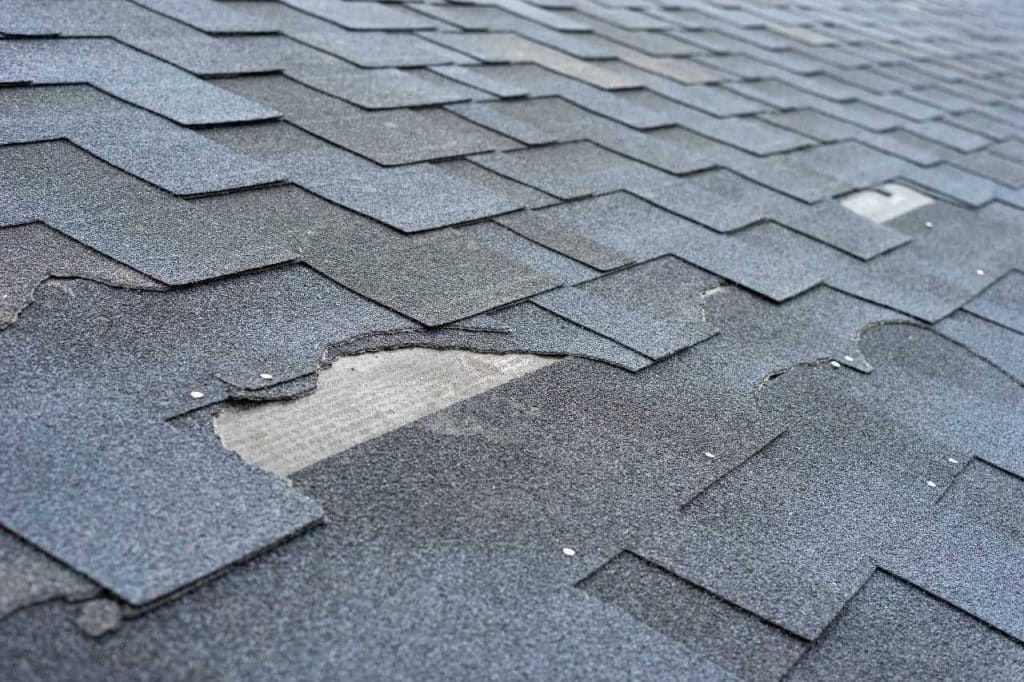
Winter is not the season to ignore roofing issues. Cold weather can take even minor damage and fast-track it into something bigger.
Start with a simple visual check for:
- Loose or missing asphalt shingles
- Cracked, curling, or worn shingles
- Soft spots that indicate moisture underneath
- Damaged or lifted flashing around chimneys, vents, and skylights
Fixing the basics now saves you from dealing with a mid-winter emergency when everything is frozen and twice as inconvenient.
Clear Gutters and Downspouts
When leaves and debris block your gutters, water can’t move off the roof. Instead, it piles up, freezes, and creates an ice dam.
Once this happens, the meltwater has only two places to go: either over the edge (onto walkways and driveways) or back under your shingles.
Clearing your gutters and downspouts is one of the simplest steps in roof rejuvenation, yet it prevents a lot of headaches. Make sure the water has room to flow freely. If your downspout is blocked, use a hose or gently tap the debris loose.
A clean drainage system keeps your roof from taking on unnecessary weight, moisture, and freeze-thaw stress.
Trim Overhanging Branches
Overhanging branches are a big winter no-no. They can get heavy with snow or rain, snap, and land in the worst possible spot: right on your roof or gutters.
Even smaller branches can scrape your shingles during windy weather. The constant friction can wear away protective granules and shorten the lifespan of your roof.
It’s worth taking a few minutes to look around your home and see if anything is hanging low or leaning too close. Trim the branches you can safely reach, and for anything big or awkward, let a tree professional take care of it.
Check Your Attic Ventilation and Insulation

The condition of your attic has a huge impact on your roof’s health during winter. Poor airflow and weak insulation can trap warm air under the roof deck. The trapped heat melts the snow on your roof unevenly.
As the melted snow refreezes at the edges, you end up with, you guessed it, ice dams.
Good ventilation lets heat and moisture escape before they accumulate. Likewise, adequate insulation keeps warm air inside your living space instead of letting it drift into the attic. Together, they help regulate your roof’s temperature and reduce the risk of ice-related damage.
While inspecting your attic, look for:
- Damp insulation
- Mold spots on rafters
- Rusted nails
- Condensation on surfaces
- Drafts or airflow issues
Anything that looks off should be addressed immediately.
Check for Signs of Moisture or Mold
Moisture problems don’t announce themselves with big flashing signs. Typically, they present as musty smells, dark spots, or tiny patches of mold in the attic.
Left unchecked, mold can wreak havoc on your home. It can eat away at wood, damage insulation, and trigger health problems like headaches, coughing, or respiratory irritation, especially in a closed-up house during winter.
Some early signs include:
- Discoloration on rafters
- Peeling paint
- Damp or clumpy insulation
- A stale, earthy odor
- Rust on nails or metal surfaces
Catching these problems early is much easier (and cheaper) than dealing with deep rot or a widespread mold issue later in the season. Be sure to include this step in your roof rejuvenation plan.
Consider Roof Maxx’s Treatment Before Winter
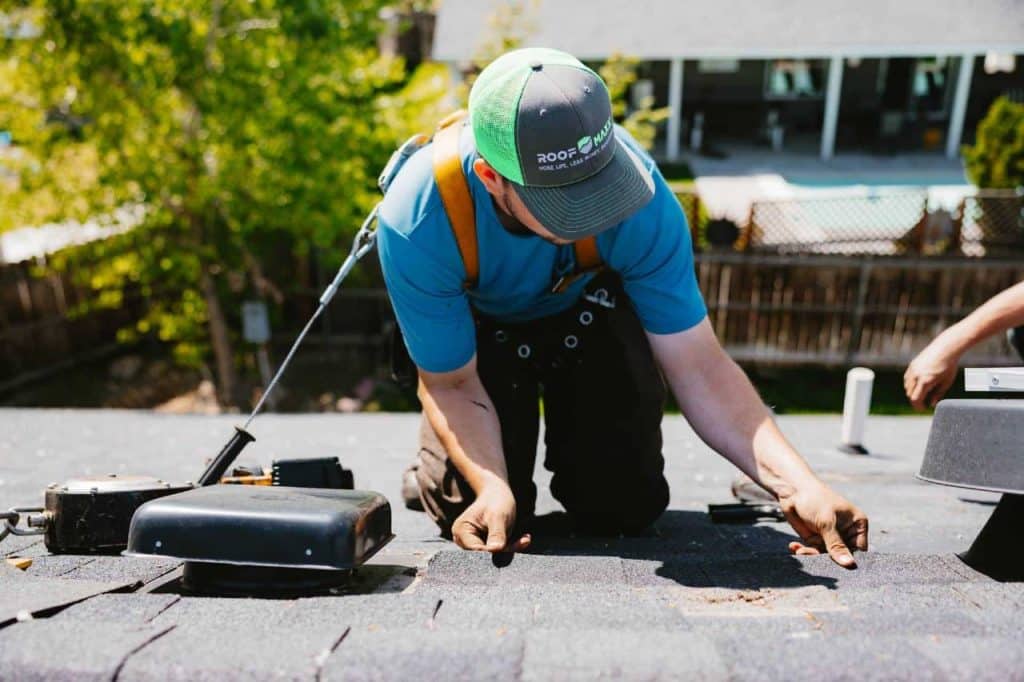
Older shingles don’t weather the seasons as well as they previously did . Once they dry out or lose flexibility, cold temperatures can push them to their breaking point.
A roof restoration treatment like Roof Maxx can help stop that cycle.
Roof Maxx is a plant-based roof rejuvenation formula designed to restore the natural oils your shingles have lost over time. Once these oils are replenished, your shingles can expand and contract with the weather instead of cracking under pressure.
Applying Roof Maxx before winter can:
- Restore flexibility to dry, aging shingles
- Help prevent cracking during freezing temperatures
- Improve your roof’s ability to shed water and resist moisture
- Extend the life of your roof by up to 15 years
- Save you thousands compared to a full roof replacement
If your shingles are getting brittle, this treatment can help your roof weather the worst of Tri-Cities winters without any trouble.
The Importance of Professional Evaluations
Roofing issues aren’t always obvious. Even the most observant homeowners can miss early warning signs.
A professional inspection from Roof Maxx of Tri-Cities gives you a full, accurate picture of what’s happening on your roof. Our certified specialists know how to spot aging shingles, subtle granule loss, early-stage cracking, loose flashing, and ventilation problems that the average person wouldn’t think to look for.

We check everything from the surface condition to the attic side, where moisture and temperature issues tend to reveal themselves first.
Essentially, professional evaluations protect your peace of mind. You’ll head into winter knowing exactly what’s going on with your entire roof, what needs attention, and what can wait. It’s the easiest way to handle preventative care early and stop small issues from turning into expensive repair jobs later in the season.
Your Roof Deserves Some Winter TLC, Too
Winter in the Tri-Cities is tough enough for homeowners. The last thing you need is a leaking roof sneaking up on you and throwing off your holiday plans.
Not to worry! Use this post as your checklist for winterizing your roof. And if your shingles are starting to feel the effects of age, add a Roof Maxx roof treatment to help restore flexibility and give your roof the strength it needs to withstand freezing temperatures, wind, and moisture.
Want to protect your roof before winter sets in? Contact Roof Maxx of Tri-Cities today for an inspection and learn how roof rejuvenation can help your shingles hold strong all season long.