
Replacing a roof used to feel like the only real option. In 2026, more homeowners are starting to question that idea.
Sustainable home upgrades now shape many buying choices. The U.S. Environmental Protection Agency reports that roofing tear-offs generate millions of tons of waste that end up in landfills each year. At the same time, material and labor costs continue to rise. These pressures push homeowners to seek cleaner, lower-cost options.
That shift has helped fuel the rise of roof restoration. Instead of tearing off aging shingles, many homeowners now restore them. This article looks at the growing trend and why it matters in 2026.
What This Article Covers
- What is driving eco-friendly roof care choices
- How modern roof restoration treatments work
- The main roof care trends shaping 2026
- The benefits of roof restoration
- Why Tri-Cities homeowners are choosing rejuvenation
- When rejuvenation makes sense and when it does not
This growing approach to roof care blends cost control and waste reduction while significantly extending your roof’s life.
What’s Driving Eco-friendly Solutions to Roof Restoration in 2026
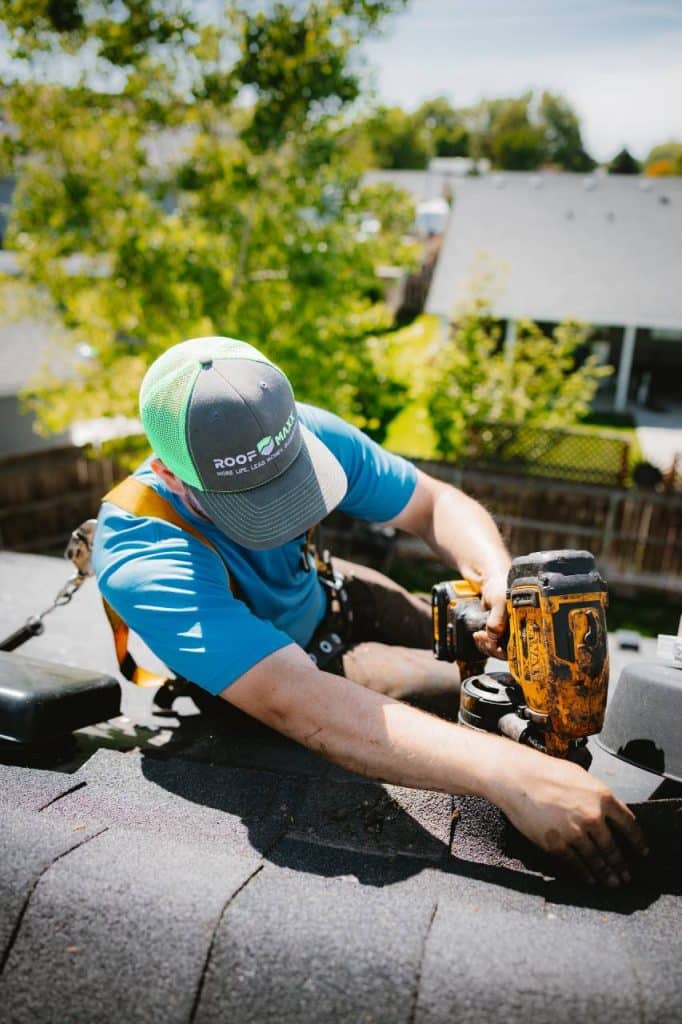
Environmental Benefits are Shaping Homeowner Decisions
Homeowners are paying closer attention to how their choices affect the environment. Waste reduction is now a top priority for many families planning home projects. Roofing plays a role, as full roof tear-offs generate significant debris that ends up in landfills.
Industry groups have raised similar concerns. The Asphalt Roofing Manufacturers Association notes that extending the life of asphalt shingles reduces landfill use and raw material demand. A longer roof service life reduces the impact of repeated tear-offs.
Rising Costs Drive Rethinking Full Roof Replacement
Costs shape these decisions.
Shingles, underlayment, and labor prices continue to climb, with the average Washington roof costing between $9,000 – $30,000.
Supply delays add strain, making full replacement more challenging to plan and afford. These factors lead homeowners to view roof restoration as a more cost-effective option than a new roof. A full roof replacement can cost three to five times as much as roof restoration. That price gap plays a significant role in homeowner planning during 2026.
Product Advances Support the Shift to Restore Aging Asphalt Shingles
Product changes also support this shift. Plant-based treatment formulas last longer than earlier versions. Many break down naturally and rely on renewable materials. These improvements make eco-friendly roof care more appealing.
How Modern Roof Restoration Treatments Work
Restoring Lost Roof Shingle Oils
Modern roof restoration focuses on restoring what time has taken away. Asphalt shingles dry out, and oils escape from the heat and damaging UV rays from sun exposure. Roof treatments replace lost oils, strengthening UV resistance and promoting better granule adhesion.
Restoring essential oils helps shingles bend without breaking. This supports longer shingle performance without adding new materials.
Plant-Based Oils Return Flexibility to Existing Shingles
Many products use plant-based or soy-based shingle oils. Roof Maxx treatments soak into shingles and restore flexibility. This innovative formula repairs shingles that can bend again under stress, which helps them resist cracking and surface wear.
The Roof Maxx formula is USDA Certified Biobased, confirming its plant-based content under federal testing standards. That certification supports use around homes and yards.
Roof Restoration Offers Extended Lifespan Without Tear-Offs
This process also improves water resistance and surface strength. Industry studies show that roof restoration can add five to fifteen years of service life. Results vary based on roof age and condition.
Roof restoration reduces waste while giving aging asphalt shingle roofs a second chance and a longer life span. It allows homeowners to plan future replacements on their own schedule.
Top Roof Care Trends for 2026
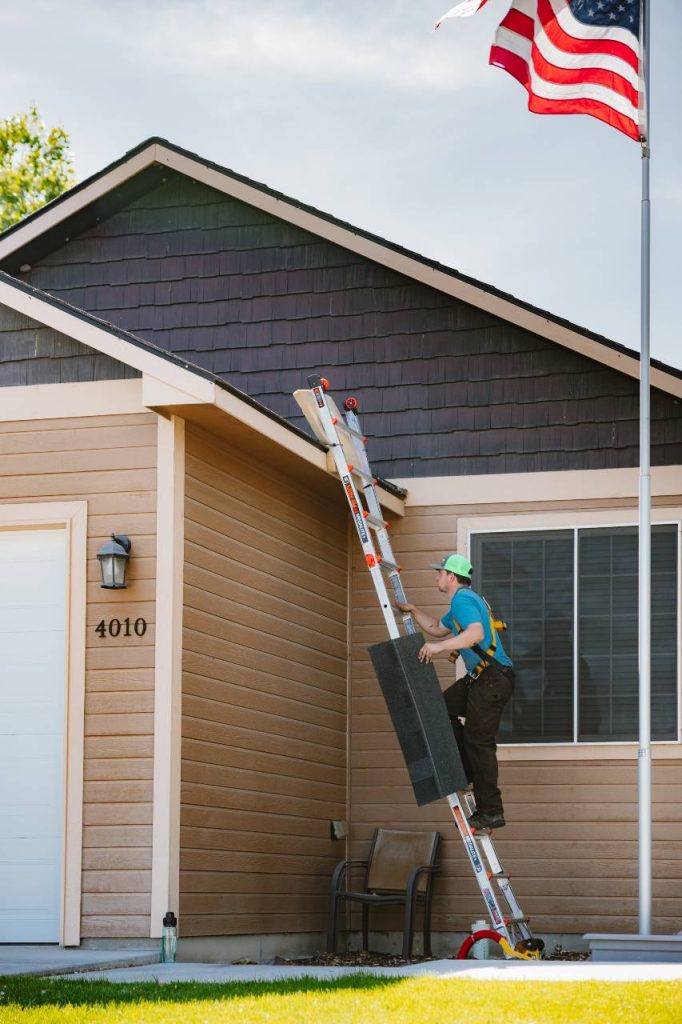
Repair Over Roof Replacement
Sustainable repair now replaces entire roof tear-offs for many homes. Homeowners look for ways to keep existing roofs in service longer. Roof restoration aligns with this shift by restoring existing shingles rather than removing them. This choice supports cleaner job sites and less debris.
The U.S. Department of Energy has also highlighted the value of extending the life of building materials. Longer-lasting roofs reduce energy and material use tied to manufacturing and transport.
Impact of Biodegradable Roof Restoration Treatments
Biodegradable treatment formulas continue to gain trust among consumers. These products are made with plant-based oils that break down naturally. Unlike traditional treatments, they reduce landfill waste and limit exposure to harsh chemicals around homes.
Many homeowners are choosing environmentally friendly roof restoration services because they also value safer use around pets and plants, adding peace of mind during and after treatment.
Smarter Roof Inspections
Technology also influences roof care trends. Drones and moisture scans help spot damaged shingles and weak areas early. Better inspections support more innovative use of roof restoration and delay premature roof replacement.
Regular roof inspections help homeowners avoid treating roofs that require deeper repairs or an entire roof replacement. That clarity supports better long-term planning.
Benefits of Eco-Friendly Roof Restoration
Lower Costs and Faster Projects
Cost is a significant benefit. Rejuvenation costs far less than a full roof replacement. By comparison, a full roof replacement averages around $9,500, with total costs ranging anywhere from $5,800 to $46,000, depending on the size of your home and the materials used. Homeowners can potentially save thousands, extend their roof’s lifespan, and protect their budget by keeping their current roof in place and maintaining home value.
Many treatments cost a fraction of replacement while delivering added years of service. Roof restoration projects also finish faster with less disruption.
Reduced Waste and Cleaner Outcomes
Roof restoration reduces tear-off waste and landfill use. Plant-based treatments rely on renewable ingredients instead of petroleum-based products. This reduces the overall footprint of roof care. Fewer truckloads of debris leave the property.
Better Performance in Tough Weather
Performance gains can add more value to a home. Restored shingles handle sun, wind, and temperature swings better. Added flexibility helps roofs stay resilient to seasonal storms and daily expansion.
Rejuvenation restores flexibility to asphalt base shingles. This support helps roofs stay reliable longer. It also reduces the risk of sudden shingle failure.
Why Tri-Cities Homeowners Are Choosing Rejuvenation

Climate Stress on Local Roofs
The Tri-Cities climate puts steady stress on roofs. Hot summers dry out shingles, while cold winters cause repeated expansion and contraction. These swings accelerate the aging of asphalt shingles across the region.
Strong UV rays from sun exposure also accelerate oil loss. That makes roof restoration a viable option for UV resistance in local conditions.
Cost-Effective Roof Care
Local homeowners are always looking for ways to manage their home costs. Many prefer maintenance options that extend the life of existing systems rather than replace them early. Roof restoration is a cost-effective way to protect roofs without the expense of an entire roof tear-off.
Many homeowners are increasingly discovering that this approach supports better planning for future upgrades that enhance home value. It avoids rushed decisions.
Local Factors Driving Interest
Several local factors drive interest in rejuvenation:
- Intense sun exposure that pulls oils from shingles
- Seasonal temperature shifts that cause cracking
- A growing focus on cost-effective solutions for home upkeep
- Interest in reducing waste from home projects
These conditions make extending the roof’s service life a practical choice. For many homes, rejuvenation matches both climate needs and budget goals.
Roof Maxx as a Leader in Roof Restoration Services
A Plant-Based Treatment Backed by Testing
Roof Maxx has helped shape the growth of roof restoration across the country. We use a USDA-certified, biobased treatment made from natural oils that revitalizes aging asphalt shingles. Certification confirms renewable content through federal testing standards.
This testing helps separate plant-based treatments from petroleum-based coatings. Homeowners gain added confidence in product safety.
One Treatment, Real Results
One application penetrates asphalt shingles and replaces lost oils. Shingles regain strength and resist cracking caused by heat and cold. Treated roofs show improved flexibility after application. Once the shingles take in the treatment, they soften up and flex again instead of breaking.
Many roofs see added service life after shingle rejuvenation without the environmentally costly hassle of removing existing materials. That supports long-term planning.
Safe for Homes and Yards
Safety also plays a role in homeowner choice. The treatment is safe for people, pets, and plants around the home, making Roof Maxx a trusted option for families seeking cleaner roof care.
When Rejuvenation Is the Right Choice (and When It’s Not)

Roofs That Respond Well to Treatment
Roof restoration works best on asphalt shingle roofs in fair condition. Shingles should still be in place, without showing signs of significant gaps or curling. Roofs between six and fifteen years old generally respond well to treatment.
Industry guidance supports treating roofs before future damage sets in. Proactively maintaining roof shingles delivers stronger results.
Repairs That Come First
Some roofs need repairs before treatment. Loose flashing, minor leaks, or small damaged areas should be addressed first. A proper inspection helps decide your roof’s surface integrity and if rejuvenation will deliver real value.
Comprehensive inspection results support better decisions. Homeowners know what to expect when they have a clear picture of their roof’s integrity.
When Full Replacement is a Smart Move
There are times when replacement makes more sense.
Roofs with widespread rot, serious structural damage, or severe hail loss may be past recovery. In those cases, rejuvenation would not provide lasting results.
Why More Homeowners Are Choosing Roof Restoration
Roof care choices are changing in 2026. Rising costs and environmental concerns push homeowners to rethink full replacement. Roof restoration is a practical way to extend roof life, reduce the waste of a full roof replacement, and maintain home value.
For Tri-Cities property owners, climate and budget both play a role. Hot summers and cold winters wear shingles faster than many expect. Roof Restoration helps slow that wear while keeping materials out of landfills.
Eco-friendly roof care continues to gain ground across the country. With plant-based treatments and better inspections, homeowners have more control over aging shingles. For many local homeowners, roof restoration is a smart, responsible option. Interested in a free quote and want to find out more about eco-friendly roof restoration? Contact Roof Maxx of Tri-Cities for a free roof assessment and learn how our plant-based treatment can significantly extend the life of your roof.