
Roofs in the Tri-Cities area don’t get much of a break. The hot summers, strong winds, and winter moisture all take a toll on shingles, causing them to dry out and wear down faster.
Eventually, small problems begin to show up: a tiny ceiling stain after a rainstorm, a damp spot in the attic, or a bit of peeling paint. It might not seem like much, but it means water is already getting in.
If ignored, even a tiny issue can result in mold, wood rot, or even structural damage.
In fact, roof leaks are one of those problems that almost every homeowner runs into at some point. On average, roof repairs cost nearly $1,200, but even a small repair can cost between $392 and $1,932 in 2025, according to Angi. Major ones can easily climb into the thousands if they’re left alone too long.
We don’t want that to happen to you. Let’s talk about how to spot the obvious warning signs of a roof leak early and address them before they become bigger, more expensive problems.
Why Roof Leaks Should Never Be Ignored

When water finds its way through your roof, it typically doesn’t stop at the attic. Moisture seeps into insulation, framing, drywall, and ceilings, causing structural issues, warped materials, and mold or mildew growth.
Here’s what happens when a roof leak goes unchecked:
Hidden Structural Damage
Even a slow roof leak can weaken wood framing, rafters, and support beams over time. A hidden roof leak may not show visible signs, but it can still cause significant structural damage.
What starts as a small drip can eventually cause warping, rot, or sagging in your roof and ceiling structure, putting your home’s integrity at risk.
Mold and Mildew Growth
Moisture trapped inside walls or insulation creates the perfect environment for mold. Condensation from poor ventilation or inadequate insulation can also contribute to moisture buildup and mold growth, sometimes mimicking the effects of a roof leak.
Once it spreads, mold can trigger allergies and breathing issues, particularly for children and older adults, and it’s costly to remove. That’s why you always want to catch an infestation in its early possible stages, or better yet, before it begins at all.
Rising Repair Costs
The longer a leak goes unchecked, the worse the damage becomes. A minor roof repair that could have cost a few hundred dollars can easily turn into thousands once water reaches drywall, flooring, or electrical systems.
Protecting Your Home and Budget
Detecting roof leaks early is the best way to prevent costly repairs and protect your home’s value. Regular inspections and quick action at the first sign of moisture can save you time, money, and stress down the line.
Common Causes of Roof Leaks
Understanding what causes roof leaks makes it easier to find problems early and prevent expensive repairs. Here are the most common sources:
Damaged or Missing Shingles
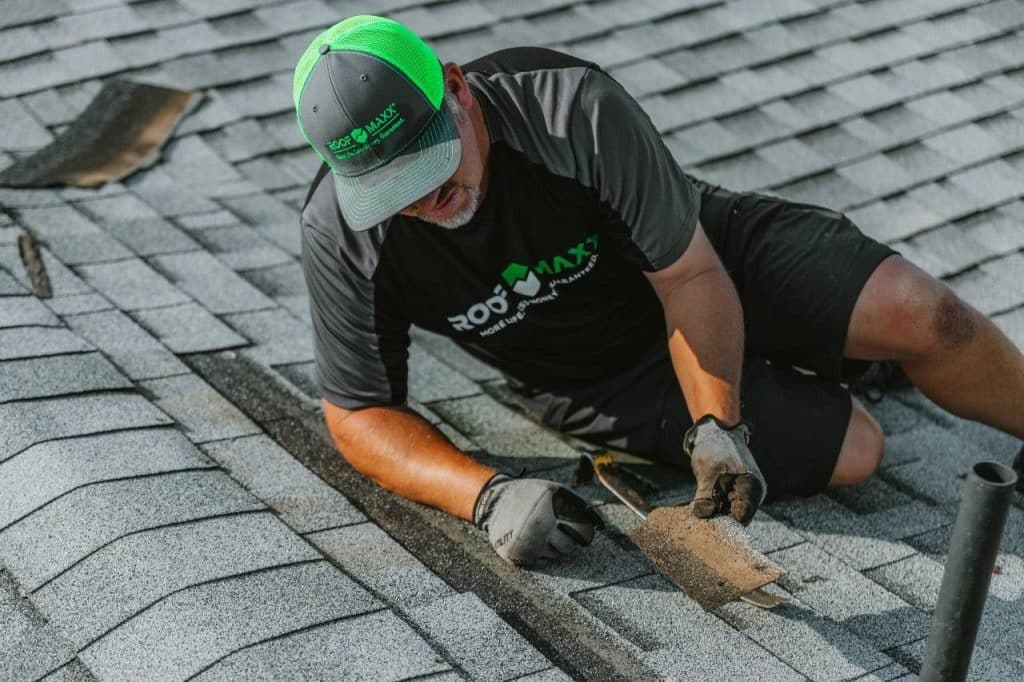
Strong winds, sun exposure, and age can cause shingles to crack, curl, or break loose, or become a broken shingle due to impact or wear. A tear in a shingle, whether clean or jagged, can cause water to penetrate the roof deck.
Once that protective layer is damaged, water can slip underneath and soak the roof deck, causing roof leaks that spread quickly if not repaired.
Cracked or Rusted Flashing
Flashing is the thin metal used around chimneys, vents, and skylights, including the chimney area and roof-wall intersections where step flashing is used, to keep water out. When it cracks, rusts, or pulls away from the surface, it leaves gaps where water can easily leak in.
If the flashing is severely rusted or damaged, installing new flashing made from galvanized steel is the best long-term solution to protect against leaks.
Clogged Gutters
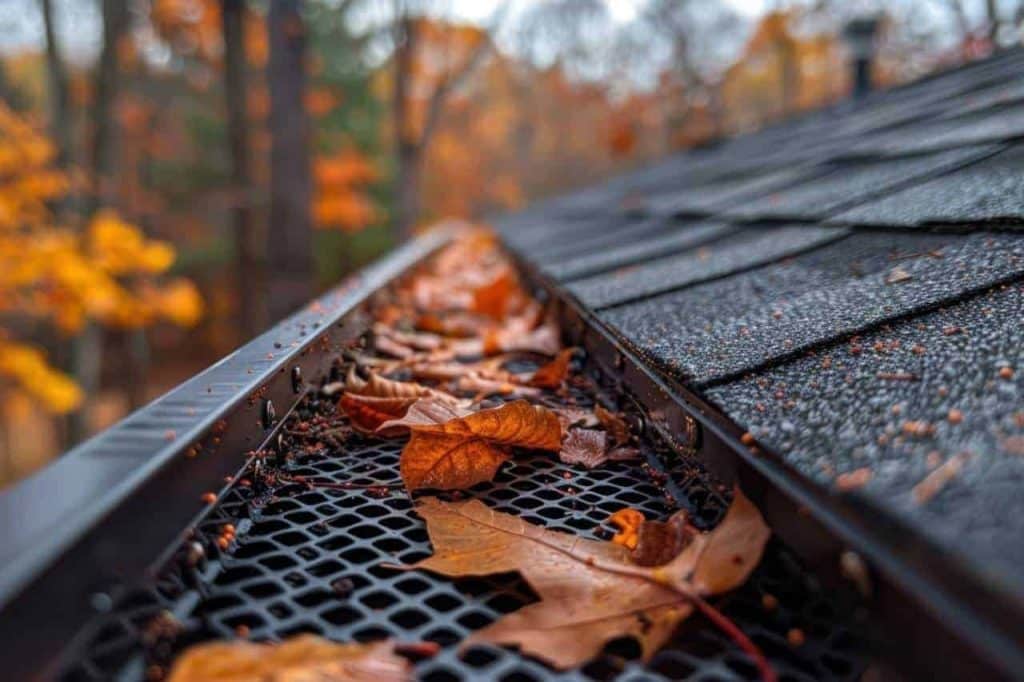
When gutters fill up with leaves or debris, rainwater can’t drain properly. Instead, it backs up under the roof’s edge, damaging fascia boards and letting moisture seep inside. Keeping gutters clean is one of the simplest ways to minimize the risk of roof leaks.
Worn Seals Around Roof Penetrations
Seals around pipes, vents, and skylights, including roof vents that are installed to provide attic ventilation, naturally wear down over time. Once they dry out or crack, rainwater can easily enter through those weak points. A torn rubber boot around a vent pipe is a common source of leaks and should be replaced immediately.
Valley or Slope Issues
The valleys where roof sections meet collect large amounts of rainwater runoff. If these areas aren’t properly sealed, they can quickly become entry points for water.
Leaks can also occur if the surrounding roofing material near the valley is damaged or improperly sealed. Proper installation of valley flashing and shingles is critical to prevent water intrusion in these areas.
Aging Roof Materials
As shingles age, they lose the oils that keep them flexible and waterproof. When they become brittle, they’re more likely to crack or lift, particularly in the Tri-Cities’ mix of hot summers and cold, wet winters.
Early Warning Signs of a Roof Leak
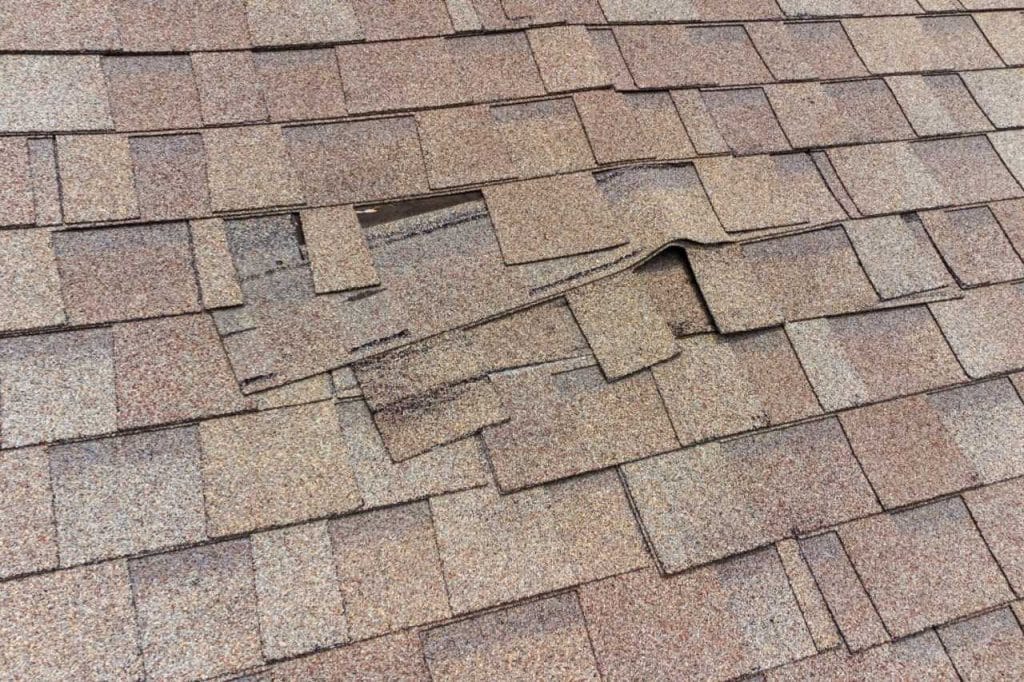
A minor roof leak can cause big problems. Water moves quickly and can weaken your home’s structure later on.
Look for these telltale signs inside and outside your home:
Water Stains on Ceilings or Walls
Brown or yellow stains typically mean water is leaking through the roof and soaking into interior materials. Water stains can also appear on the exterior wall or exterior walls, indicating water intrusion from the outside. Even small spots can indicate an active leak.
Damp Attic Insulation
Wet or flattened insulation after a storm shows that water is entering through the roof or nearby vents. Good attic ventilation lets air circulate, helping to keep insulation dry and prevent moisture problems. If left alone, this moisture can result in mold growth and reduced insulation efficiency, both signs that a roof repair may be needed.
Peeling or Bubbling Paint
Paint or wallpaper that blisters or peels is a sign of moisture behind the surface. This typically happens when roof leaks cause humidity to build up inside walls or ceilings.
Mold or Mildew Odors
A persistent musty smell points to trapped moisture from a hidden leak. Mold growth spreads quickly and can damage wood framing and insulation.
Sagging Ceilings or Warped Drywall
Sagging or bulging areas on ceilings or walls indicate long-term water exposure. The hard part of repairing a ceiling leak is tracking down the exact source of water entry before making repairs. This kind of damage weakens the structure and requires immediate roof repair
Drips or Puddles After Heavy Rain
Pooled water near walls, windows, or in the attic suggests there’s an active leak; these are classic symptoms of a leaky roof. Since water can travel along beams or rafters, the roof leak may not be directly above the puddle. A professional inspection can locate the exact source and prevent recurring issues.
If you notice any of these warning signs, don’t wait to investigate. A quick check can prevent costly damage later.
Temporary Fixes vs. Professional Repairs

While there are a few short-term steps you can take to minimize the damage, these are only temporary solutions. A lasting fix almost always requires professional help, as repairing roof leaks involves specialized skills and tools best managed by a professional roofer.
Temporary Fixes Homeowners Can Try
Even small leaks can let in a surprising amount of water during heavy rain. These quick measures can help protect your home until a roof repair specialist can visit and find the problem.
Here are a few DIY fixes that you can try:
1. Tarping the Affected Area
Cover the damaged section with a heavy-duty, waterproof tarp to block rainwater and limit further interior damage. Secure the tarp tightly to prevent wind from lifting it.
2. Applying Roofing Sealant
Use roofing sealant or caulk to close small cracks or gaps around vents, flashing, or skylights. This provides a short-term barrier against leaks until a professional roof repair is performed.
3. Clearing Gutters and Downspouts
Remove leaves and debris from gutters and downspouts to help with proper water drainage. This prevents water from backing up under shingles and worsening the leak.
Why Temporary Fixes Aren’t Enough
While temporary fixes can slow down immediate damage, they don’t solve the underlying problem.
Roof leaks spread beyond the visible area as water travels along rafters, beams, or under shingles. Water can also seep into a damaged area, holes, or exposed nails, resulting in persistent leaks. Even a small hole or exposed fastener can give way to water and cause ongoing problems if not properly repaired.
Without professional inspection, hidden issues such as rotted decking, mold growth, or deteriorated underlayment can continue to worsen. Once immediate repairs are made, the next step is strengthening your roof to prevent future leaks, and that’s where Roof Maxx treatment helps.
How Roof Maxx Treatment Helps Prevent Roof Leaks
At Roof Maxx, we provide a proven solution using a soy-based treatment that restores the natural oils in asphalt shingles. This process improves flexibility, improves water resistance, and increases the roof’s lifespan by up to 15 years with regular applications.
Here’s how the Roof Maxx treatment works:
Inspection
First, the roof is inspected to make sure it’s ready for treatment. This helps identify any problem areas and confirms that the shingles can properly absorb the Roof Maxx formula.
Cleaning
Next, the roof is cleaned to remove dirt, algae, and debris. A clean surface allows the treatment to soak in evenly and work as intended.
Application
The Roof Maxx treatment is then sprayed onto the shingles, where it penetrates deep into the asphalt. This restores the natural oils that keep shingles flexible and helps them stand up to weather changes.
Protection
After treatment, the shingles regain flexibility and become more resistant to cracking, wind, and temperature swings. This helps prevent future roof leaks and extends the life of your roof.
This treatment helps prevent future roof leaks, delays the need for costly replacement, and maintains the roof’s performance for years.
When to Call in the Roof Repair Experts
Some roofing problems require professional evaluation and repair to prevent long-term damage. A qualified contractor or professional roofer will thoroughly check the quality of the previous installation and recommend the best course of action.
Contact our team at Roof Maxx of Tri-Cities if you notice any of the following:
Multiple Missing or Damaged Shingles
This means the roof has experienced weather-related wear or material deterioration. Missing or cracked shingles can’t properly shield your home from moisture, increasing the risk of roof leaks.
Recurring Leaks After Previous Repairs
If roof leaks return after patching or sealing, there may be deeper structural or waterproofing issues. A professional inspection can locate the source and prevent further water damage.
Sagging Rooflines or Soft Spots
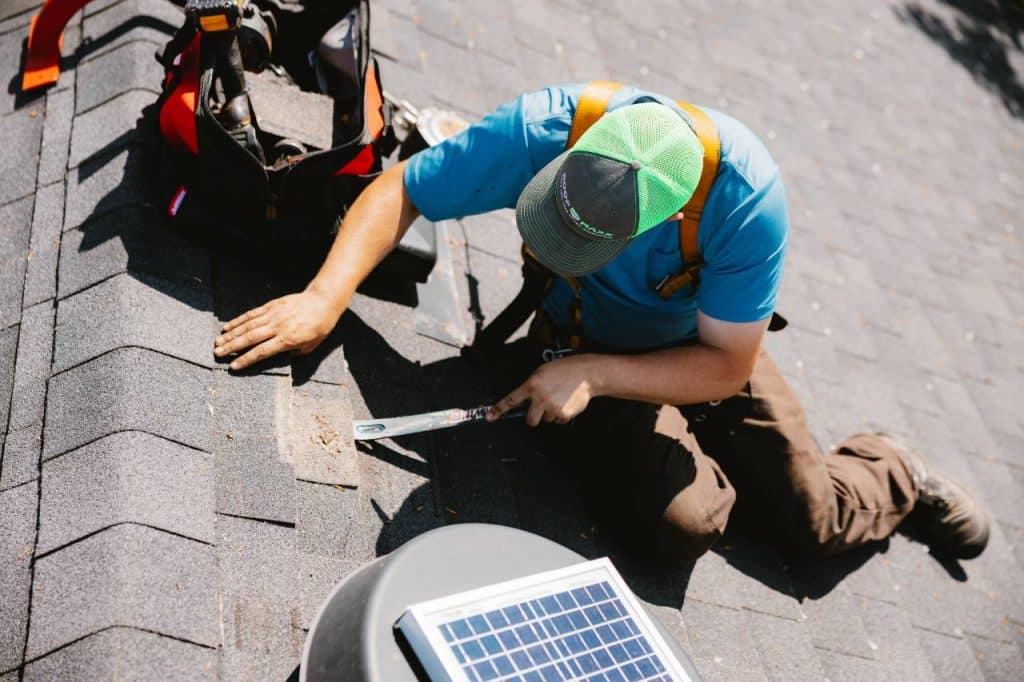
A sagging roof or soft decking indicates trapped moisture or weakened structural support. This condition requires immediate professional attention to prevent further deterioration.
Visible Rot, Mold, or Water Damage in the Attic
Rot or mold growth inside the attic signals long-term roof leaks. Moisture buildup in insulation or wood framing can lower energy efficiency and cause serious damage if left untreated.
Aging Roof Between 6–15 Years Old
Roofs in this age range often start showing signs of wear as shingles lose flexibility and protective oils. A Roof Maxx treatment will help rejuvenate shingles and extend their service life before replacement becomes necessary.
Let Roof Maxx Help You Protect Your Roof and Home
A roof leak can turn serious quickly if not addressed. Fast action prevents structural damage, limits repair costs, and protects your home’s integrity.
Even better, professional inspection and roof repair make sure the source of the leak is identified and properly fixed.
At Roof Maxx of Tri-Cities, we provide a trusted, affordable way to rejuvenate your roof and stop leaks before they start. Our proven treatment restores flexibility, strengthens shingles, and helps your roof perform like new again, all without the waste and expense of a full replacement. Contact Roof Maxx of Tri-Cities to get a free quote today for a professional inspection to find out what’s going on. Then, see how our treatment can help protect your home before problems worsen.